Marketing teams
Turn a product announcement into regional launch clips while keeping the original structure and call to action consistent.
See the heygen ai video generator for creating the source clipThe HeyGen AI translator workflow helps you adapt a finished video into other languages without rebuilding every scene. Upload a clean source, choose the language and voice direction, then review the result before publishing.
Best results come from a finished script, distinct speech, and permission to use every voice and visual in the source.
A translation project is easier to control when the source video is ready for adaptation. These three checks prevent most avoidable revisions.
Use the highest-quality version available, with clear dialogue, limited background noise, and enough headroom for new timing.
Choose the target languages, audience, tone, and pronunciation notes before starting so the generated voice has a clear brief.
Assign someone who can check names, numbers, cultural references, captions, and claims in every translated version.
Start with a source video and treat the first output as a reviewable draft. The HeyGen AI translator can help carry over the spoken message, but human review keeps the final version accurate.
Turn a product announcement into regional launch clips while keeping the original structure and call to action consistent.
See the heygen ai video generator for creating the source clipAdapt onboarding lessons for distributed teams, then ask local reviewers to confirm terminology and examples.
Explore heygen ai avatar options for presenter-led trainingTranslate help videos and walkthroughs so customers can learn in a familiar language without waiting for a separate production cycle.
Use the heygen ai video generator to build reusable explainersShare leadership updates across regions with a consistent message, clear captions, and a defined approval path.
Pair the workflow with a heygen ai avatar for presenter consistencyThe right choice depends on how much of the original performance, pacing, and visual treatment you need to preserve.
| Attribute | Standard localization | High-control localization |
|---|---|---|
| Best for | Fast internal or social drafts | Customer-facing campaigns |
| Voice direction | Natural translated delivery | Reviewed tone and pronunciation |
| Caption review | Recommended | Required before publishing |
| Brand terminology | Manual spot checks | Approved glossary pass |
| Visual changes | Mostly preserved | Localized text and overlays |
| Turnaround | Shorter first draft | Longer approval cycle |
Translation is not just a word swap. Audio quality, timing, names, humor, and on-screen text can all change how a video lands in another market.
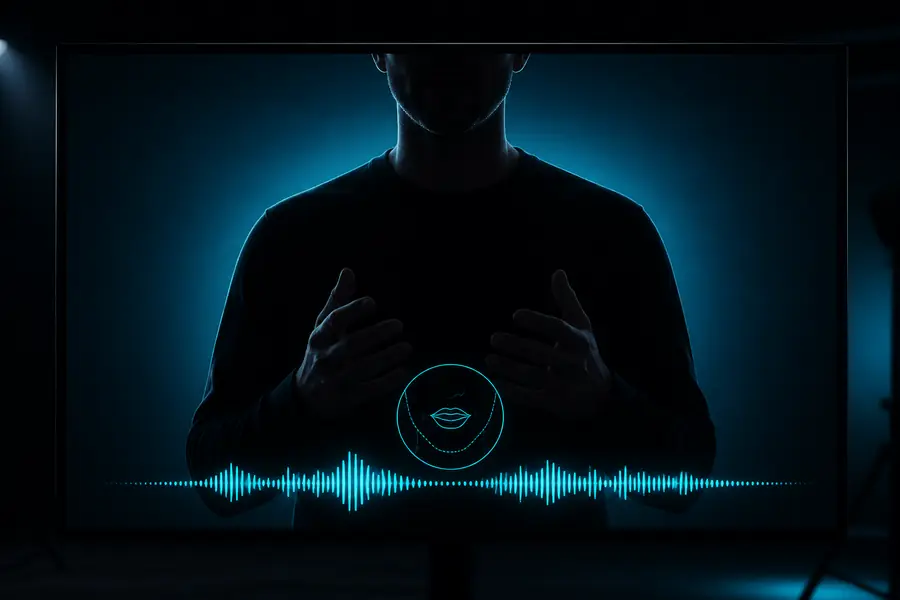
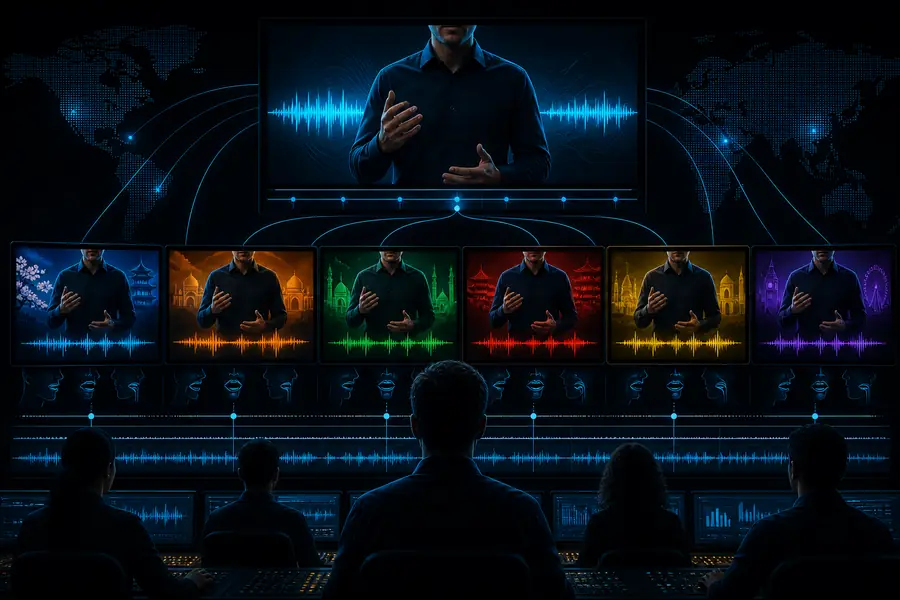
Compare the source and output at the same timestamps. Listen for names and numbers, read every caption, and check whether the translated phrasing still matches the intended claim.
Use these practical answers to decide whether a translated video workflow fits your source material and review process.
It helps adapt spoken video content into another language, including translated delivery and supporting captions. Review is still important for accuracy and cultural fit.
Yes. Plan each language as its own reviewed output. Keep a shared glossary for product names, technical terms, and calls to action so the versions stay aligned.
Results depend on the source audio, selected voice direction, language, and timing. Treat the output as a polished draft that needs a listening check before release.
Check pronunciation, names, figures, captions, on-screen text, timing, claims, and any references that may not transfer naturally to the target audience.