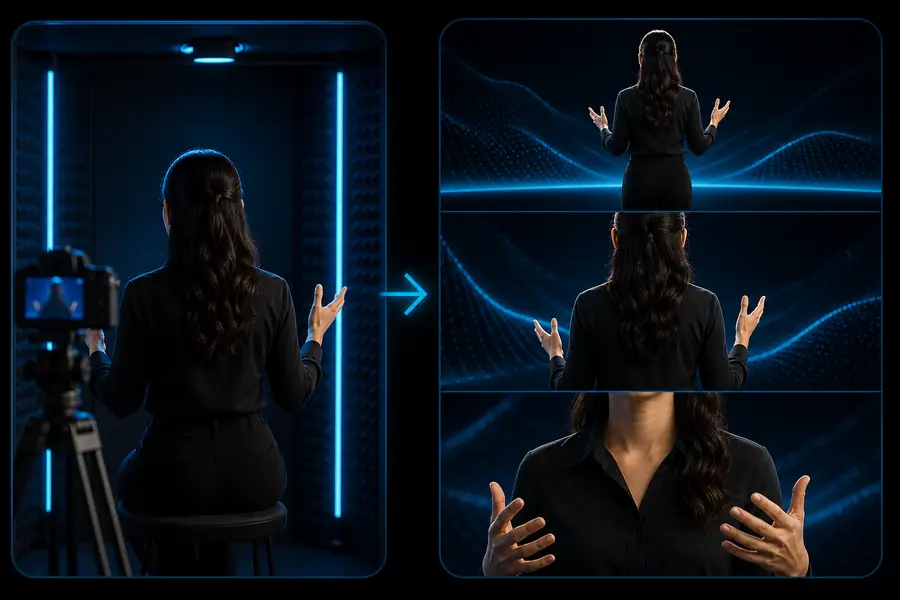
AI avatar explained

Build clearer presenter videos with a HeyGen AI avatar

A heygen ai avatar gives a written script a visible presenter, helping teams turn product updates, training notes, and customer education into repeatable video without filming every take.

Try the video workspace
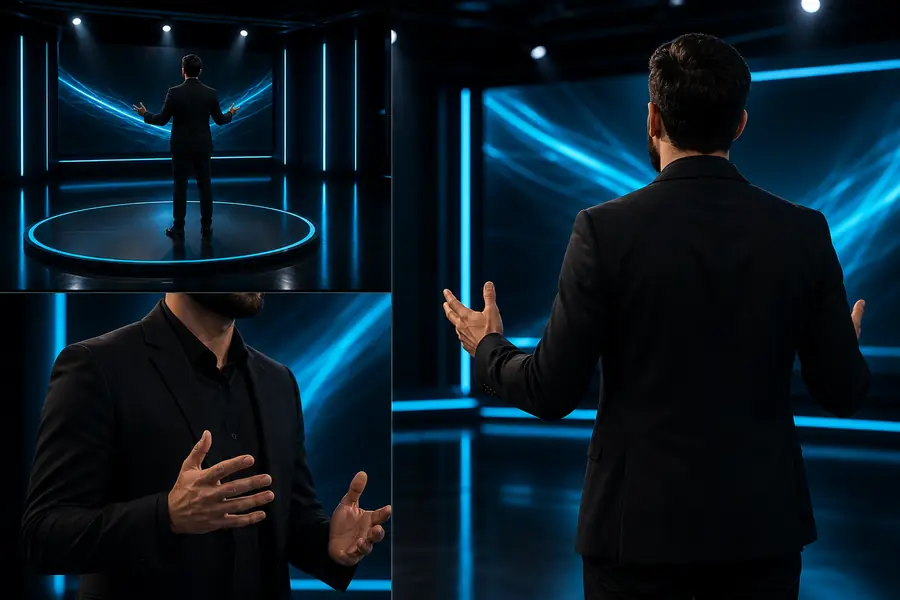
Digital presenter in a generated video scene
  1. Choose a presenter

    Select an avatar whose appearance, voice, and delivery style suit the audience and message.

  2. Write or paste the script

    Start with a short brief, finished narration, or adapted copy for the avatar to deliver.

  3. Review the rendered scene

    Check pronunciation, pacing, framing, and captions before sharing the finished video.

01presenter layer for every script
03core choices before rendering
24/7repeatable production workflow
Three working parts

Three mechanisms make the avatar useful

The avatar is more than a talking face. Its value comes from combining a consistent presenter with generated speech and a scene that keeps the message easy to follow.

iA strong avatar video starts with a focused message, not with visual effects.

Step-by-step workflow

Move from brief to publishable video in four passes

Treat the avatar as one stage in a production system. This keeps creative review, factual accuracy, and presentation quality separate.

Pass What you prepare What the avatar workflow adds
Message Audience, goal, and one clear takeaway Presenter-led structure
Script Short sentences and pronunciation notes Repeatable spoken delivery
Scene Background, layout, captions, and visuals A finished communication frame
Review Brand, legal, factual, and accessibility checks Fast revision before export
Distribution Channel, aspect ratio, and audience context Reusable source for multiple edits
Live interaction Real-time conversation and unscripted response Not the primary strength
Example of an AI avatar presentation layout
Limits and edges

Know what an avatar cannot replace

HeyGen AI can reduce the friction of presenter-led production, but it does not remove the need for editorial judgment, subject expertise, or human review.

It cannot invent authority

A polished presenter does not make unsupported claims, outdated instructions, or weak research trustworthy.

Workaround: have a subject expert approve the script and sources before rendering.

It is not a live colleague

An avatar follows prepared direction and is not a substitute for a real-time conversation with nuanced follow-up.

Workaround: use it for prepared explanations, then route complex questions to a person.

Delivery still needs editing

Pronunciation, emphasis, gestures, and visual pacing may need adjustment when the subject is technical or highly branded.

Workaround: render a short draft, test it with the intended audience, and revise in passes.
At a glance

Where the avatar format earns its place

The strongest use cases are repeatable, scriptable, and judged by clarity rather than by the novelty of synthetic presentation.

1message per short video
4review passes recommended
audiences to test before scaling
0reason to skip human approval
FAQ

Questions before choosing an avatar

These answers focus on the practical decisions people usually make when evaluating a heygen ai avatar for video work.

01What is a HeyGen AI avatar?

It is a digital presenter used to deliver a prepared script in a generated video. You choose the presentation style, provide the message, and review the rendered result before publishing.

02What type of video is an avatar best for?

Avatar-led videos work well for explainers, onboarding, product updates, internal training, and other repeatable communications where a clear script matters more than spontaneous interaction.

03Can an AI avatar replace a presenter for every project?

No. It can make scripted production easier, but live interviews, emotionally sensitive subjects, complex demonstrations, and high-stakes claims still benefit from a human presenter and expert review.

04How should I evaluate the first avatar video?

Check whether the message is accurate, the voice is natural enough for the audience, the captions are readable, and the visual pacing supports comprehension. A short pilot is better than scaling an untested format.